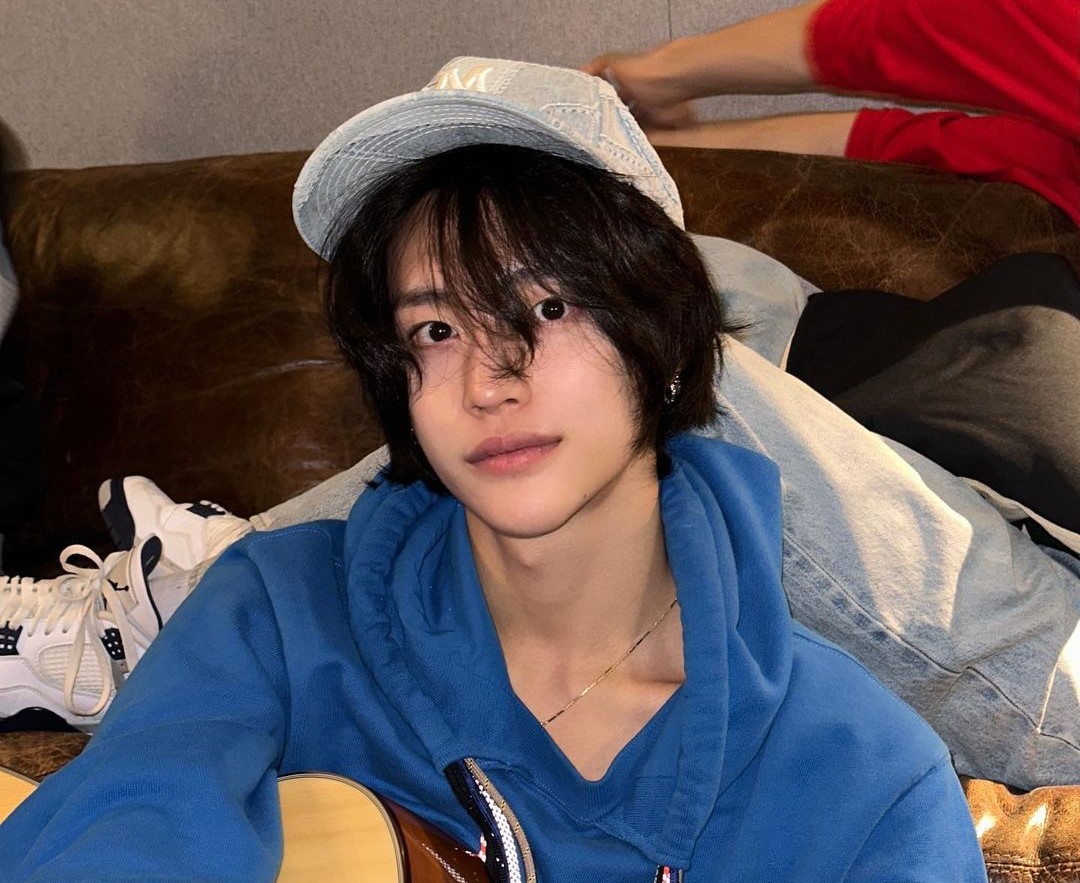
Definition:wonbin riize is a term used to refer to a specific type of traditional Korean folk dance.
Importance and Benefits:wonbin riize is a beautiful and expressive dance form that has been passed down through generations. It is often performed at festivals and special occasions and is considered an important part of Korean cultural heritage.
Historical Context: The origins of wonbin riize can be traced back to the Silla Dynasty (57 BC-935 AD). It is believed that the dance was originally performed by farmers to celebrate the harvest. Over time, the dance evolved and became more elaborate, and it is now considered one of the most popular traditional Korean dances.
Main Article Topics: This article will explore the history, significance, and cultural impact of wonbin riize. We will also provide instructions on how to perform the dance and discuss its role in modern Korean society.
wonbin riize
Wonbin riize, a traditional Korean folk dance, holds significant cultural and historical importance. Exploring its various dimensions, we present ten key aspects that define its essence:
- Rhythm: Dynamic and rhythmic beats accompany the dance.
- Costumes: Dancers adorn vibrant and elaborate traditional attire.
- Footwork: Complex and intricate footwork patterns characterize the dance.
- Storytelling:Wonbin riize often conveys narratives through its movements.
- Cultural Symbolism: The dance embodies Korean cultural heritage and traditions.
- Group Performance: Typically performed by a group, fostering community and collaboration.
- Emotional Expression: Dancers convey a range of emotions through their movements.
- Historical Significance: Rooted in ancient Korean history and rituals.
- Preservation: Efforts are made to preserve and pass on this traditional art form.
- Contemporary Adaptations:Wonbin riize continues to evolve and adapt to modern contexts.
These aspects intertwine to form the rich tapestry of wonbin riize. Its rhythmic beats captivate audiences, while its intricate footwork showcases the dancers' skill and grace. The vibrant costumes add a visual spectacle, and the dance's storytelling elements connect audiences to Korean culture and history. As a group performance, wonbin riize fosters a sense of community and shared cultural identity. Moreover, its emotional expressiveness allows dancers to convey a wide range of human experiences. Through preservation efforts, this traditional art form continues to thrive, while contemporary adaptations ensure its relevance in the ever-changing world of dance.
Rhythm
In wonbin riize, rhythm plays a vital role in driving the dance and creating a dynamic and captivating performance. The rhythmic beats provide a foundation for the dancers' movements, guiding their footwork and coordinating their actions. These rhythmic patterns are often complex and intricate, adding to the dance's overall appeal and.
The dynamic nature of the rhythm in wonbin riize allows for a wide range of expressive possibilities. The dancers can use variations in tempo and intensity to convey different emotions and moods. For example, faster rhythms can create a sense of excitement and energy, while slower rhythms can evoke a more somber or reflective mood. This rhythmic versatility contributes to the dance's ability to tell stories and connect with audiences on a deeper level.
Understanding the connection between rhythm and wonbin riize is essential for both performers and audiences. Performers must have a strong sense of rhythm in order to execute the dance's complex footwork and movements. Audiences, on the other hand, can appreciate the intricate rhythmic patterns and the way they contribute to the overall impact of the dance.
Costumes
In wonbin riize, the costumes play a vital role in enhancing the dance's visual impact and conveying its cultural significance. The vibrant colors and elaborate designs of the traditional attire add to the overall spectacle of the performance, capturing the audience's attention and drawing them into the world of the dance.
The costumes are not merely decorative, however. They also serve a practical purpose. The loose-fitting sleeves and wide skirts allow the dancers to move freely and execute the dance's complex footwork with ease. The bright colors and intricate patterns help to create a sense of depth and movement, adding to the dance's overall visual appeal.
Furthermore, the traditional attire worn by the dancers in wonbin riize helps to connect the dance to its cultural roots. The costumes are based on the traditional clothing of the Korean people, and they reflect the country's rich history and heritage. By wearing these costumes, the dancers pay homage to their ancestors and help to preserve Korean culture for future generations.
Understanding the connection between costumes and wonbin riize is essential for both performers and audiences. Performers must be familiar with the traditional attire and how to wear it properly in order to fully embody the dance's cultural significance. Audiences, on the other hand, can appreciate the beauty and craftsmanship of the costumes and understand their role in enhancing the overall performance.
Footwork
In wonbin riize, the footwork is not merely a technical display of skill; it is an integral part of the dance's expressive power. The complex and intricate footwork patterns create a sense of rhythm and movement that is both visually captivating and emotionally evocative. Dancers use their feet to create a variety of rhythms and patterns, from delicate taps and slides to powerful stomps and leaps. These movements are often synchronized with the music, creating a harmonious and dynamic performance.
The footwork in wonbin riize also serves a narrative purpose. The dancers' feet can be used to represent different characters or objects, and the movements can be used to tell stories or convey emotions. For example, a dancer may use delicate footwork to represent a gentle breeze or powerful stomps to represent a thunderstorm. The footwork can also be used to convey emotions such as joy, sadness, or anger.
Understanding the connection between footwork and wonbin riize is essential for both performers and audiences. Performers must have a strong foundation in footwork in order to execute the dance's complex movements. They must also be able to use their feet to express the dance's narrative and emotional content. Audiences, on the other hand, can appreciate the beauty and complexity of the footwork and understand its role in enhancing the overall performance.
Storytelling
In the realm of traditional Korean dance, wonbin riize stands out for its captivating ability to tell stories through movement. This unique characteristic elevates wonbin riize beyond mere entertainment, imbuing it with cultural and historical significance.
- Narrative Structure
Wonbin riize is not simply a sequence of dance steps; it is a carefully crafted narrative that unfolds through the dancers' movements. Each gesture, each step, and each formation contributes to the overall story, allowing the audience to experience the tale on a visceral level. - Characters and Emotions
The dancers in wonbin riize embody a range of characters, from mythical creatures to historical figures. Through their movements, they convey the characters' emotions, motivations, and relationships. The audience is drawn into the story, empathizing with the characters and their struggles. - Historical and Cultural Context
Wonbin riize often draws inspiration from Korean history and folklore. The stories told through the dance provide insights into the country's past, its traditions, and its values. By preserving and performing these stories, wonbin riize contributes to the preservation of Korean cultural heritage. - Educational Value
In addition to its entertainment value, wonbin riize also serves an educational purpose. By presenting stories from Korean history and culture, the dance helps to educate audiences about their heritage. It is a valuable tool for promoting cultural literacy and fostering a sense of national identity.
The storytelling aspect of wonbin riize is what truly sets it apart from other dance forms. It is this ability to convey narratives through movement that gives wonbin riize its unique power to captivate, educate, and inspire.
Cultural Symbolism
In the realm of Korean traditional dance, wonbin riize stands out as a vibrant embodiment of the country's cultural heritage and traditions. Its every movement, gesture, and formation is steeped in symbolism, providing a profound connection to the past and a celebration of Korean identity.
- Historical Narratives:
Wonbin riize often incorporates stories and legends from Korean history. Through dance, these narratives come alive, allowing audiences to experience the nation's rich past firsthand. For instance, the dance "Chunhyangga" depicts a classic love story set during the Joseon Dynasty.
- Confucian Values:
The dance reflects the deep influence of Confucianism on Korean culture. Movements and formations embody Confucian virtues such as respect, humility, and harmony. In the dance "Salpuri," for example, dancers move in unison, demonstrating the importance of group cooperation and social order.
- Nature and the Cosmos:
Wonbin riize frequently draws inspiration from the natural world and the cosmos. Dancers imitate the movements of animals, plants, and celestial bodies, expressing a deep connection to the environment and the universe. The dance "Yongsanhoesang" features graceful movements that evoke the beauty and tranquility of a lotus flower.
- Religious Beliefs:
Wonbin riize also incorporates elements of Korean religious beliefs, including Buddhism and Shamanism. Ritualistic movements and gestures pay homage to deities and spirits, seeking protection and blessings. The dance "Baramgut" is a prime example, where dancers perform to appease the gods and bring good fortune.
The cultural symbolism embedded in wonbin riize serves as a bridge between the past and present, connecting generations and fostering a sense of national pride. By preserving and performing these dances, Koreans not only entertain but also perpetuate their cultural legacy, ensuring its vitality for years to come.
Group Performance
In the realm of traditional Korean dance, wonbin riize stands out for its emphasis on group performance. This collaborative aspect is deeply intertwined with the cultural and social values of Korea, fostering a sense of community and unity among the dancers and the audience.
- Shared Experience:
When performed by a group, wonbin riize becomes a shared experience, bringing dancers and audience members together in a collective celebration. The synchronized movements and harmonious rhythms create a sense of belonging and shared purpose, reinforcing the bonds within the community.
- Cultural Preservation:
Group performances of wonbin riize play a vital role in preserving and transmitting Korean cultural heritage. As dancers learn and perform these dances together, they become living repositories of tradition, passing on the knowledge and skills to future generations.
- Community Building:
The preparation and performance of wonbin riize often involve extended periods of practice and collaboration. This shared experience fosters a sense of community among the dancers, as they work together to perfect their movements and create a cohesive performance.
- Audience Engagement:
Group performances of wonbin riize captivate audiences with their visual impact and emotional resonance. The synchronized movements and collective energy create a powerful spectacle that draws the audience into the performance, fostering a sense of connection and shared cultural identity.
The group performance aspect of wonbin riize is not merely a practical necessity; it is an integral part of the dance's cultural significance and aesthetic appeal. Through the collective efforts of the dancers, wonbin riize becomes a vibrant expression of Korean heritage, fostering community, preserving tradition, and captivating audiences.
Emotional Expression
In the captivating world of wonbin riize, dancers transcend mere physical performance and become conduits of emotional expression. Through their intricate movements and graceful gestures, they convey a kaleidoscope of emotions, drawing audiences into the depths of human experience.
- Portrayal of Joy and Exuberance:
Dancers of wonbin riize embody the vibrant spirit of joy and exuberance, their movements mirroring the lightness and freedom of the heart. Through lively steps and infectious energy, they evoke a sense of pure happiness and unrestrained celebration.
- Expression of Sorrow and Grief:
With equal poignancy, wonbin riize dancers delve into the depths of sorrow and grief. Their movements become slow and deliberate, their bodies conveying a sense of heaviness and loss. Through their expressive gestures, they capture the raw emotions of heartbreak and despair.
- Depiction of Love and Romance:
Love and romance find their graceful expression in wonbin riize. Dancers intertwine their bodies, their movements flowing seamlessly together. Through delicate gestures and tender gazes, they convey the longing, passion, and intimacy of human connection.
- Manifestation of Anger and Rage:
Even the darker emotions of anger and rage find expression in wonbin riize. Dancers embody the intensity of these feelings, their movements sharp and powerful. Through forceful gestures and controlled aggression, they convey the raw energy and destructive nature of human anger.
The emotional expression in wonbin riize transcends cultural boundaries, resonating with audiences on a universal level. Through the language of dance, wonbin riize dancers connect with the human condition, exploring the full range of emotions that shape our lives.
Historical Significance
Wonbin riize is not merely a dance; it is a living embodiment of Korea's rich cultural heritage, with deep roots in ancient history and rituals. This historical significance permeates every aspect of the dance, from its movements to its symbolism, providing a profound connection to the past.
- Origins in Shamanistic Rituals
Wonbin riize traces its origins to ancient shamanistic rituals, where dance was used as a means of communication with the divine. The dance's rhythmic movements and symbolic gestures were believed to possess spiritual power, invoking the gods and facilitating healing and protection.
- Influence of Confucianism
As Confucianism gained prominence in Korea, wonbin riize absorbed elements of its ethical and social principles. The dance began to reflect Confucian values such as respect for tradition, harmony, and social order, influencing its movements and formations.
- Depiction of Historical Events
Wonbin riize also became a medium for storytelling, with dances created to depict historical events and legendary tales. These dances served as a way to preserve and transmit Korean history and culture, passing down stories of heroism, love, and sacrifice from generation to generation.
- Symbolism and Cultural Identity
The movements, costumes, and music of wonbin riize are imbued with rich symbolism, reflecting Korean cultural beliefs and values. The dance's graceful and fluid movements represent the beauty and resilience of the Korean people, while its vibrant colors and intricate patterns symbolize joy, prosperity, and good fortune.
The historical significance of wonbin riize extends beyond its performance; it is a tangible link to Korea's past, preserving cultural traditions and providing insights into the nation's history and identity. Through its captivating movements and profound symbolism, wonbin riize continues to inspire and connect audiences with the rich heritage of the Korean people.
Preservation
The preservation of wonbin riize is of paramount importance for several reasons. Firstly, it is a crucial component of Korea's intangible cultural heritage, embodying the nation's unique history, traditions, and cultural identity. Secondly, wonbin riize serves as a valuable educational tool, providing insights into Korean culture and history for both domestic and international audiences. Thirdly, the preservation of wonbin riize ensures its continued existence as a vibrant and dynamic art form, allowing future generations to appreciate and enjoy its beauty and significance.
Efforts to preserve wonbin riize have been multifaceted and ongoing. The Korean government has designated wonbin riize as an Intangible Cultural Heritage, providing legal protection and support for its preservation. Additionally, numerous organizations and individuals have dedicated themselves to teaching, performing, and promoting wonbin riize, ensuring its transmission to future generations. These efforts have been instrumental in maintaining the vitality and popularity of wonbin riize, both in Korea and abroad.
The preservation of wonbin riize is not merely about safeguarding a cultural artifact; it is about preserving a living tradition that continues to evolve and resonate with contemporary audiences. Through ongoing efforts to preserve and pass on this traditional art form, wonbin riize will undoubtedly continue to thrive as a vibrant expression of Korean culture for generations to come.
Contemporary Adaptations
Wonbin riize, a traditional Korean dance form, has undergone various contemporary adaptations while preserving its core essence. These adaptations have allowed the dance to remain relevant and resonate with modern audiences, ensuring its continued popularity and cultural significance.
- Integration of Modern Music:
Contemporary adaptations of wonbin riize often incorporate modern music elements, blending traditional rhythms with electronic beats and instrumentation. This fusion creates a dynamic and engaging soundscape that appeals to a wider audience while maintaining the dance's traditional roots.
- Exploration of New Themes:
While wonbin riize traditionally depicted historical events and legends, contemporary adaptations have expanded its thematic repertoire. Choreographers have created new dances that explore social issues, personal experiences, and contemporary narratives, using wonbin riize as a medium for artistic expression and storytelling.
- Collaboration with Other Art Forms:
Wonbin riize has been incorporated into collaborations with other art forms, such as theater, film, and visual arts. These collaborations have resulted in innovative and immersive performances that push the boundaries of traditional dance and engage audiences in new and exciting ways.
- Educational and Outreach Programs:
Contemporary adaptations of wonbin riize have also been utilized for educational and outreach purposes. Workshops and classes have been developed to teach the dance to younger generations and promote its cultural value. Additionally, wonbin riize has been performed in schools and community centers, fostering cultural awareness and appreciation.
These contemporary adaptations have not only preserved wonbin riize but have also revitalized it, attracting new audiences and ensuring its relevance in the modern cultural landscape. By embracing contemporary elements while honoring its traditional roots, wonbin riize continues to evolve as a vibrant and dynamic art form that resonates with audiences of all ages and backgrounds.
Frequently Asked Questions about Wonbin Riize
This section addresses frequently asked questions about the traditional Korean dance form, wonbin riize, providing concise and informative answers.
Question 1: What is the historical significance of wonbin riize?Answer: Wonbin riize has deep roots in ancient Korean history and rituals, with origins in shamanistic practices. It has evolved over time, incorporating influences from Confucianism and becoming a medium for storytelling and cultural preservation.
Question 2: What are the key characteristics of wonbin riize?Answer: Wonbin riize is characterized by dynamic rhythms, vibrant costumes, intricate footwork, and expressive movements. It often conveys narratives and embodies Korean cultural symbolism, fostering a sense of community and preserving cultural heritage.
Question 3: How is wonbin riize performed?Answer: Wonbin riize is typically performed by a group of dancers, with synchronized movements and formations. The dance involves a range of techniques, including delicate hand gestures, powerful stomps, and graceful leaps, expressing a variety of emotions and themes.
Question 4: What is the cultural significance of wonbin riize?Answer: Wonbin riize holds immense cultural significance in Korea. It is recognized as an Intangible Cultural Heritage, symbolizing the nation's unique history, traditions, and cultural identity. The dance serves as a medium for cultural transmission, providing insights into Korean storytelling, values, and artistic expression.
Question 5: How is wonbin riize being preserved and adapted?Answer: Preservation efforts include government recognition, teaching and performance initiatives, and incorporation into educational programs. Contemporary adaptations involve integrating modern music, exploring new themes, and collaborating with other art forms, ensuring the dance's continued relevance and appeal to modern audiences.
Question 6: What are the benefits of learning wonbin riize?Answer: Learning wonbin riize offers numerous benefits, including cultural understanding, physical fitness, improved coordination, and a deeper appreciation for Korean heritage. It also fosters a sense of community and provides opportunities for artistic expression and personal growth.
In conclusion, wonbin riize is a vibrant and dynamic traditional Korean dance form with a rich history and cultural significance. Through its captivating movements, expressive storytelling, and ongoing adaptations, wonbin riize continues to thrive as a beloved and enduring part of Korean cultural heritage.
Transition to the next article section:
This concludes the frequently asked questions about wonbin riize. For further exploration, continue to the next section, where we delve into the captivating world of this traditional Korean dance form.
Tips for Understanding and Appreciating Wonbin Riize
To fully appreciate the beauty and significance of wonbin riize, consider the following tips:
Tip 1: Learn the History and Cultural Context: Understanding the historical origins and cultural significance of wonbin riize enhances its appreciation. Explore the dance's roots in ancient rituals, its evolution over time, and its role in Korean cultural identity.
Tip 2: Observe the Rhythm and Movements: Pay attention to the dynamic rhythms and intricate footwork that characterize wonbin riize. Notice how the dancers' movements convey emotions, tell stories, and embody Korean cultural values.
Tip 3: Appreciate the Costumes and Symbolism: The vibrant costumes and elaborate accessories in wonbin riize are not merely decorative. They carry symbolic meanings and contribute to the overall visual impact of the dance. Understand the colors, patterns, and motifs to gain a deeper appreciation for Korean aesthetics and cultural traditions.
Tip 4: Engage with Live Performances: Experiencing wonbin riize live is essential for fully grasping its energy and emotional resonance. Attend performances by renowned dance companies or local cultural groups to witness the skill and artistry of the dancers firsthand.
Tip 5: Respect Cultural Etiquette: When attending a wonbin riize performance, observe proper cultural etiquette. Arrive on time, dress respectfully, and refrain from disruptive behavior to show respect for the performers and the Korean cultural heritage they represent.
Tip 6: Explore Contemporary Adaptations: Wonbin riize is not confined to traditional forms. Contemporary adaptations explore new themes, incorporate modern music, and collaborate with other art forms. Embrace these adaptations to appreciate the evolving nature of Korean dance and its relevance to modern audiences.
Tip 7: Seek Educational Resources: Enhance your understanding of wonbin riize through educational resources such as books, documentaries, and online materials. These resources provide insights into the dance's history, techniques, and cultural significance.
Tip 8: Encourage Cultural Exchange: Foster appreciation for wonbin riize by encouraging cultural exchange. Share your knowledge and experiences with others, attend workshops or classes, and support initiatives that promote Korean dance and culture globally.
By following these tips, you can deepen your understanding and appreciation for the captivating art form of wonbin riize. Immerse yourself in its history, observe its intricacies, engage with live performances, and embrace its contemporary adaptations to gain a profound appreciation for this vibrant expression of Korean cultural heritage.
Conclusion
Through this exploration, we have delved into the captivating world of wonbin riize, a traditional Korean dance form that embodies the nation's rich cultural heritage. From its historical roots in ancient rituals to its vibrant costumes and expressive movements, wonbin riize has showcased the unique artistry and storytelling traditions of Korea.
As we move forward, it is crucial to preserve and promote this invaluable cultural asset. By embracing contemporary adaptations, encouraging cultural exchange, and fostering a deep understanding of its significance, we can ensure that wonbin riize continues to flourish and captivate audiences for generations to come.
Unveiling The KaitlynKrems Leak: Exclusive Revelations And In-Depth Analysis
Unlock The Secrets Of Marsden IT: Uncover Innovation And Expertise
Gino From Dance Moms: Uncovering His Multifaceted Journey And Impact