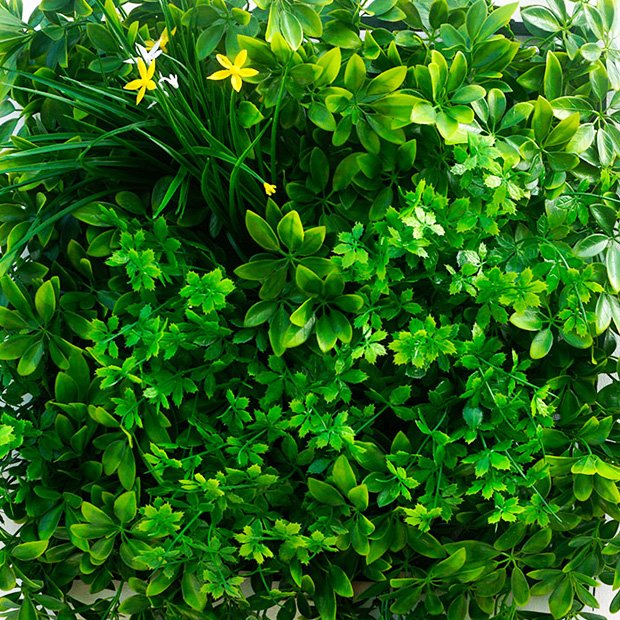
Greenery solutions encompass a range of practices and technologies that utilize plants and vegetation to address environmental challenges and improve urban environments. These solutions include green roofs, vertical gardens, urban forests, and parks, among others.
Greenery solutions offer numerous benefits, including improved air and water quality, reduced urban heat island effect, increased biodiversity, and enhanced aesthetic appeal. Historically, greenery solutions have been employed in various forms, from ancient hanging gardens to contemporary green infrastructure projects.
In the following sections, we will explore the diverse applications of greenery solutions, their environmental and social impacts, and best practices for their implementation and maintenance. We will also examine case studies and success stories to demonstrate the transformative power of greenery solutions in creating more sustainable and livable cities.
Greenery Solutions
Greenery solutions encompass a wide range of practices and technologies that utilize plants and vegetation to address environmental challenges and improve urban environments. These solutions offer numerous benefits, including improved air and water quality, reduced urban heat island effect, increased biodiversity, and enhanced aesthetic appeal.
- Environmental benefits: Air purification, water filtration, carbon sequestration
- Social benefits: Recreation, stress reduction, community building
- Economic benefits: Increased property values, reduced energy costs, job creation
- Urban heat island mitigation: Green roofs and vertical gardens provide shade and evapotranspiration
- Biodiversity enhancement: Green spaces provide habitat for wildlife and support pollinators
- Improved air quality: Plants absorb pollutants and release oxygen
- Water filtration: Green infrastructure can capture and filter stormwater runoff
- Carbon sequestration: Plants absorb and store carbon dioxide
- Increased resilience: Green infrastructure can help cities adapt to climate change impacts such as flooding and drought
These key aspects of greenery solutions demonstrate their multifaceted benefits and importance in creating more sustainable and livable cities. By incorporating greenery into urban environments, we can improve our physical and mental health, reduce our environmental footprint, and create more resilient and beautiful communities.
Environmental benefits
Greenery solutions offer a wide range of environmental benefits, including air purification, water filtration, and carbon sequestration. These benefits are essential for creating more sustainable and livable cities.
- Air purification: Plants absorb pollutants from the air, such as ozone, nitrogen dioxide, and particulate matter. They release oxygen into the air, which helps to improve air quality and reduce respiratory problems.
- Water filtration: Green infrastructure, such as rain gardens and bioswales, can capture and filter stormwater runoff. This helps to reduce pollution in our waterways and protect aquatic ecosystems.
- Carbon sequestration: Plants absorb carbon dioxide from the atmosphere and store it in their tissues. This helps to reduce greenhouse gas emissions and mitigate climate change.
These environmental benefits are just one of the many reasons why greenery solutions are so important for cities. By incorporating greenery into our urban environments, we can create healthier, more sustainable, and more beautiful places to live.
Social benefits
Greenery solutions offer a wide range of social benefits, including recreation, stress reduction, and community building. These benefits are essential for creating more livable and sustainable cities.
Recreation: Green spaces provide opportunities for recreation and physical activity, which are essential for our physical and mental health. Parks, gardens, and other green spaces can be used for walking, running, biking, playing sports, and simply relaxing in nature.
Stress reduction: Studies have shown that spending time in nature can reduce stress levels and improve mood. Green spaces can provide a place to escape the hustle and bustle of city life and relax in a peaceful and calming environment.
Community building: Green spaces can also be used for community gatherings and events. They can provide a place for people to meet, socialize, and build relationships. Community gardens, farmers markets, and other green space-based activities can help to strengthen community ties and create a sense of place.
These social benefits are just one of the many reasons why greenery solutions are so important for cities. By incorporating greenery into our urban environments, we can create healthier, more sustainable, and more livable places to live.
Economic benefits
Greenery solutions can provide a range of economic benefits, including increased property values, reduced energy costs, and job creation. These benefits are important for creating more sustainable and livable cities.
Increased property values: Studies have shown that properties with access to green space have higher property values than those without. This is likely due to the many benefits that greenery provides, such as improved air quality, reduced noise pollution, and increased aesthetic appeal.
Reduced energy costs: Green roofs and vertical gardens can help to reduce energy costs by providing insulation and shade. This can lead to lower heating and cooling costs for buildings.
Job creation: Greenery solutions can create jobs in a variety of sectors, including landscaping, construction, and maintenance. These jobs can help to boost the local economy and provide opportunities for people to develop new skills.
The economic benefits of greenery solutions are just one of the many reasons why they are so important for cities. By incorporating greenery into our urban environments, we can create healthier, more sustainable, and more livable places to live.
Urban heat island mitigation
Urban heat island mitigation is a critical aspect of greenery solutions, as cities face rising temperatures due to urbanization and climate change. Green roofs and vertical gardens play a significant role in reducing the urban heat island effect through shade and evapotranspiration.
- Shade: Green roofs and vertical gardens provide shade to buildings and surrounding areas, reducing the amount of heat absorbed by surfaces. This can lead to lower air temperatures and make cities more comfortable during hot weather.
- Evapotranspiration: Plants release water vapor into the atmosphere through evapotranspiration, which has a cooling effect. Green roofs and vertical gardens increase the amount of evapotranspiration in cities, helping to reduce temperatures.
The implementation of green roofs and vertical gardens as part of greenery solutions can effectively mitigate the urban heat island effect, creating more comfortable and livable urban environments. These solutions not only reduce temperatures but also provide other benefits such as improved air quality, increased biodiversity, and enhanced aesthetic appeal.
Biodiversity enhancement
Biodiversity enhancement is a crucial component of greenery solutions, as green spaces provide essential habitat for a wide range of wildlife species and support pollinators. The presence of diverse vegetation and natural areas within urban environments plays a vital role in maintaining ecological balance and supporting healthy ecosystems.
Green spaces, such as parks, gardens, and green roofs, offer food, shelter, and nesting sites for birds, insects, mammals, and other animals. They provide corridors for wildlife movement and help to maintain genetic diversity. The diversity of plant species within these spaces supports a variety of insect pollinators, including bees, butterflies, and moths, which are essential for the reproduction of many plant species.
The integration of greenery solutions into urban planning and development can significantly enhance biodiversity and contribute to the overall resilience and sustainability of cities. By incorporating green spaces and promoting habitat connectivity, we can foster thriving ecosystems that support a wide range of species and provide numerous benefits to both wildlife and human communities.
Improved air quality
Urban environments are often characterized by high levels of air pollution, which can have adverse effects on human health and the environment. Greenery solutions offer a natural and effective way to improve air quality in cities by utilizing the ability of plants to absorb pollutants and release oxygen.
- Air pollutant removal: Plants absorb various air pollutants through their leaves and stems, including particulate matter, ozone, nitrogen dioxide, and sulfur dioxide. These pollutants are harmful to human health and can cause respiratory problems, cardiovascular disease, and cancer.
- Oxygen production: Through the process of photosynthesis, plants release oxygen into the atmosphere. Oxygen is essential for human life and helps to improve air quality by diluting pollutants.
- Carbon sequestration: Plants also absorb carbon dioxide from the atmosphere and store it in their tissues. Carbon dioxide is a greenhouse gas that contributes to climate change. By sequestering carbon, plants help to mitigate climate change and improve air quality.
- Microclimate regulation: Trees and other vegetation can help to regulate the microclimate of urban areas by providing shade and releasing water vapor through evapotranspiration. This can help to reduce air temperatures and improve air quality.
The incorporation of greenery solutions into urban planning and development can significantly improve air quality in cities. By increasing the number of trees, green roofs, and other green spaces, we can create healthier and more sustainable urban environments.
Water filtration
As part of greenery solutions, water filtration plays a crucial role in managing stormwater runoff, reducing pollution, and improving water quality in urban environments. Green infrastructure, such as rain gardens, bioswales, and permeable pavements, is designed to mimic natural processes and capture, filter, and infiltrate stormwater runoff.
- Natural filtration: Green infrastructure utilizes plants, soils, and other natural materials to filter pollutants from stormwater runoff. Plants absorb and break down pollutants, while soils and other substrates provide a physical barrier that traps sediment and debris.
- Reduced runoff: By capturing and infiltrating stormwater, green infrastructure reduces the amount of runoff entering waterways. This helps to prevent flooding, erosion, and the transport of pollutants into rivers, lakes, and streams.
- Improved water quality: The filtration process removes pollutants such as sediment, nutrients, and heavy metals from stormwater runoff. This improves the quality of water entering waterways and reduces the risk of waterborne diseases.
- Groundwater recharge: Infiltrated stormwater can replenish groundwater supplies, which are essential for drinking water, irrigation, and maintaining healthy ecosystems.
Incorporating water filtration into greenery solutions provides multiple benefits for urban environments. By capturing and filtering stormwater runoff, green infrastructure reduces pollution, improves water quality, and enhances the resilience of urban ecosystems.
Carbon sequestration
Carbon sequestration, the process by which plants absorb and store carbon dioxide from the atmosphere, plays a vital role in greenery solutions. It contributes to climate change mitigation and air quality improvement in urban environments.
- Climate change mitigation: Carbon sequestration is a natural process that helps reduce greenhouse gas emissions. Plants absorb carbon dioxide during photosynthesis and store it in their tissues. This reduces the amount of carbon dioxide in the atmosphere, which helps mitigate climate change.
- Improved air quality: Plants also absorb other air pollutants, such as ozone, nitrogen dioxide, and particulate matter. By removing these pollutants from the air, plants improve air quality and reduce the risk of respiratory problems.
- Urban heat island reduction: Trees and other plants provide shade and release water vapor through evapotranspiration, which helps to cool urban areas and reduce the urban heat island effect.
- Biodiversity support: Green spaces created for carbon sequestration also provide habitat for wildlife and support biodiversity in urban environments.
In conclusion, carbon sequestration is an important component of greenery solutions, offering multiple benefits for urban environments. By incorporating trees and other plants into urban planning and development, we can mitigate climate change, improve air quality, reduce the urban heat island effect, and support biodiversity.
Increased resilience
In the face of increasingly severe climate change impacts, cities are looking for ways to become more resilient. One important strategy is to incorporate greenery solutions that can help mitigate the effects of flooding and drought. Green infrastructure, such as rain gardens, bioswales, and green roofs, can play a crucial role in managing stormwater runoff and reducing the risk of flooding.
- Water retention and infiltration: Green infrastructure can capture and retain stormwater runoff, reducing the amount of water that flows into storm drains and rivers. This can help to prevent flooding and reduce the risk of property damage and infrastructure failure.
- Improved water quality: Green infrastructure can also help to improve water quality by filtering pollutants from stormwater runoff. This can help to protect aquatic ecosystems and reduce the risk of waterborne diseases.
- Reduced urban heat island effect: Green infrastructure can help to reduce the urban heat island effect by providing shade and releasing water vapor through evapotranspiration. This can help to make cities more comfortable during hot weather and reduce the risk of heat-related illnesses.
- Increased biodiversity: Green infrastructure can provide habitat for wildlife and support biodiversity in urban areas. This can help to create a more sustainable and resilient urban ecosystem.
By incorporating green infrastructure into urban planning and development, cities can become more resilient to the impacts of climate change. Green infrastructure can help to reduce the risk of flooding and drought, improve water quality, reduce the urban heat island effect, and increase biodiversity. These benefits make green infrastructure an essential component of any comprehensive climate adaptation strategy.
Frequently Asked Questions about Greenery Solutions
This section provides answers to commonly asked questions about greenery solutions, their benefits, and implementation.
Question 1: What are the key benefits of greenery solutions?
Greenery solutions offer a wide range of benefits, including improved air and water quality, reduced urban heat island effect, increased biodiversity, and enhanced aesthetic appeal. They can also provide recreation opportunities, stress reduction, and community building.
Question 2: How do greenery solutions contribute to environmental sustainability?
Greenery solutions contribute to environmental sustainability by absorbing pollutants from the air and water, reducing greenhouse gas emissions, and providing habitat for wildlife. They can also help to mitigate the effects of climate change by reducing the urban heat island effect and providing shade.
Question 3: What are the different types of greenery solutions?
There are many different types of greenery solutions, including green roofs, vertical gardens, rain gardens, bioswales, and permeable pavements. Each type of solution has its own unique benefits and applications.
Question 4: How can greenery solutions be implemented in urban areas?
Greenery solutions can be implemented in urban areas through a variety of methods, including rooftop gardens, street trees, and green walls. They can also be incorporated into new development projects and retrofitted into existing buildings.
Question 5: What are the challenges to implementing greenery solutions?
There are a number of challenges to implementing greenery solutions, including cost, maintenance, and water availability. However, these challenges can be overcome with careful planning and design.
Question 6: What is the future of greenery solutions?
Greenery solutions are becoming increasingly popular as cities seek to become more sustainable and livable. As technology advances and costs decline, greenery solutions are expected to become even more widespread in the future.
Greenery solutions offer a wide range of benefits for urban environments and can contribute to environmental sustainability. By incorporating greenery into our cities, we can create healthier, more sustainable, and more beautiful places to live.
Transition to the next article section: Benefits of Greenery Solutions for Urban Environments
Five Tips for Implementing Greenery Solutions
Greenery solutions offer a wide range of benefits for urban environments, including improved air and water quality, reduced urban heat island effect, increased biodiversity, and enhanced aesthetic appeal. Here are five tips for implementing greenery solutions in your community:
Tip 1: Start smallYou don't need to implement a large-scale greenery solution all at once. Start with a small project, such as planting a few trees or creating a rain garden. This will help you to learn about the challenges and rewards of greenery solutions and build momentum for larger projects in the future.
Tip 2: Choose the right plantsNot all plants are created equal. When choosing plants for your greenery solution, consider the climate, soil conditions, and amount of sunlight available. You should also choose plants that are native to your area, as these will be more likely to thrive.
Tip 3: Get involved in your communityGreenery solutions are most successful when they are supported by the community. Get involved in local organizations that are working to promote greenery solutions and volunteer your time to help with planting and maintenance.
Tip 4: Be patientGreenery solutions take time to grow and mature. Don't expect to see results overnight. Be patient and persistent, and you will eventually see the benefits of your efforts.
Tip 5: Seek professional helpIf you are not sure how to implement a greenery solution, don't be afraid to seek professional help. There are many organizations and businesses that can provide you with the guidance and support you need.
By following these tips, you can help to create a greener, more sustainable, and more beautiful community.
Transition to the article's conclusion: Greenery solutions offer a wide range of benefits for urban environments. By following these tips, you can help to create a greener, more sustainable, and more beautiful community.
Conclusion
This article has explored the multifaceted benefits of greenery solutions for urban environments. From improving air and water quality to reducing the urban heat island effect and increasing biodiversity, greenery solutions offer a wide range of advantages that can contribute to the creation of more sustainable and livable cities.
As we face the challenges of climate change and urbanization, greenery solutions will become increasingly important. By incorporating greenery into our cities, we can create healthier, more resilient, and more beautiful places to live. Let us all strive to be part of the solution by supporting greenery initiatives in our communities and working together to build a greener, more sustainable future.
Uncover Profound Insights Into Race, Gender, And Sexuality With Damani D. Sease
Jahki Howard: Unveiling The Secrets Of A Rising NFL Star
Unveiling The Impact And Legacy Of Desi Johnson: A Journey Of Discovery